
Executive Travel from Cork to Dublin Airport: Every Option Compared
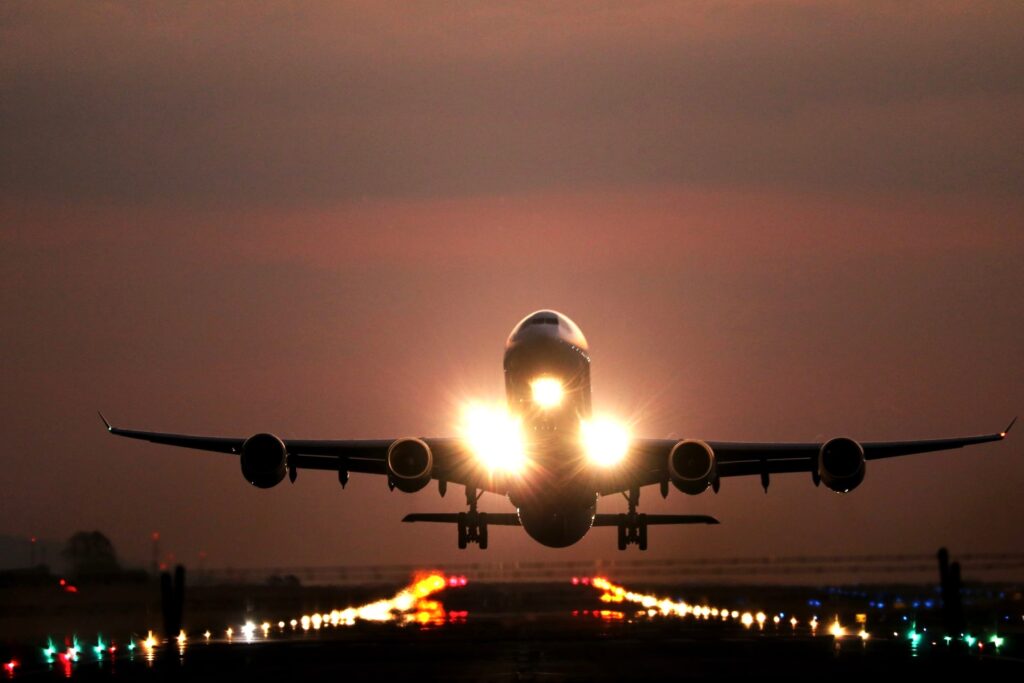
The flight to New York leaves Dublin at 11 am. The meeting it serves starts as soon as you land. For anyone based in Cork, the working day begins hours earlier, on the road to Dublin Airport.
Travelling from Cork to Dublin Airport is part of almost every long-haul business trip from Ireland’s south. Most transatlantic and long-haul routes depart from Dublin, so executives, sales teams and visiting clients make this journey regularly, often in the dark and often against a tight check-in deadline.
There are four realistic ways to make the trip: the direct coach, the train with a connection, driving yourself, or a private chauffeur. Each has its place. This guide compares them on what matters for business travel: time, cost, reliability at early hours, and whether you arrive at the terminal ready to work or ready to rest.
How Long Does It Take to Get from Cork to Dublin Airport?
In normal traffic, the drive from Cork city to Dublin Airport takes about two hours and forty-five minutes to three hours, almost entirely on the M8 and M50 motorways. Public transport takes longer, because of stops in Dublin city centre or a change of mode at Heuston Station.
The table below gives a quick comparison. Times and fares are approximate and vary with traffic, timetables and how far in advance you book.
| Option | Typical journey time | Typical cost | Early-morning flights | Can you work on the way? |
|---|---|---|---|---|
| Direct coach (Aircoach 704X) | 3 to 3.5 hours | From €16 per person | Limited by the timetable | Partly |
| Train to Heuston, then onward to the airport | About 2.5 hours to Heuston, plus the connection | Rail fare plus the onward journey | Limited by the first trains | On the train, not during the change |
| Driving and parking | 2 hours 45 minutes to 3 hours, plus parking and shuttle | Fuel, tolls and around €9.50 to €13 per day to park | Any time | No |
| Private chauffeur | 2 hours 45 minutes to 3 hours, door to terminal | Quoted in advance for the vehicle | Any time | Yes |
What the table does not show
Journey time is only part of the picture. For a business traveller, more useful questions are how the day starts, how much of the journey you can use productively, and what happens if something goes wrong. Those are the areas where the four options differ most.
The Coach and Train Options
The direct coach
The most direct public option is the Aircoach 704X service between Cork and Dublin Airport, which runs from Cork city, stops in Dublin city centre and serves both Terminal 1 and Terminal 2. Aircoach puts the journey at around three to three and a half hours depending on traffic, with fares from €16.
For a solo traveller with flexible timing, it is good value. For an executive on a tight schedule, the limitations are practical: departures follow the timetable rather than your flight, the coach stops in the city before the airport, and the earliest services may not suit every early-morning long-haul departure.
The train and a connection
Trains run regularly from Cork Kent Station to Dublin Heuston, a roughly two-and-a-half-hour journey with space to work. The difficulty is the final stage. No direct rail link runs from Heuston to Dublin Airport, so the journey ends with a bus or taxi across the city, meaning a change with luggage and an added variable at the point where timing matters most. Irish Rail lists its airport connection options for planning this stage.
The train suits travellers already heading into Dublin city for meetings before a flight. As a direct route to a long-haul departure, it adds a connection that most business travellers would rather avoid.
Driving Yourself and Parking at Dublin Airport
Driving gives complete control over timing, and the motorway route is straightforward. For a short trip with light luggage, it can make sense.
The cost is not only financial. Holiday Blue lists parking at Dublin Airport’s long-term car parks at around €9.50 a day, and Express Red at about €13 a day for a ten-day stay, before fuel and tolls. A week-long trip can add up quickly, and the car park shuttle adds time at both ends.
The higher cost is energy. Driving three hours before a long-haul flight, then three hours home after an overnight return, is a demanding way to bookend a business trip. It also removes the most useful part of the journey: time you could spend preparing, reading, or taking calls.
Why Executives Choose a Chauffeur from Cork to Dublin Airport

A private chauffeur covers the same motorway route as driving yourself, but changes the purpose of the journey. Instead of three hours behind the wheel, you get three hours of quiet, private time in a Mercedes saloon to prepare for a meeting at the other end or rest before a long flight.
Door to terminal, at any hour
Your chauffeur collects you from home, the office or a hotel at the time your flight requires, not the time a timetable allows. For a 7am departure, that may mean starting at 2am. No connection to make, no car park to find, and no shuttle to wait for. You are taken directly to the departures set-down for your terminal.
Time you can use
The rear of an executive saloon is designed as a calm, private environment. Many clients use the journey to take calls and emails, do final preparation for a presentation, or simply sleep. On a route of nearly three hours, that is a meaningful part of the working day back.
The return journey is already handled
The journey home is often harder. After an overnight transatlantic flight, nobody should be driving to Cork. With a chauffeur booked for the return, we monitor your flight in real time, adjust the collection if it lands early or late, and your chauffeur meets you in arrivals. Our guide to meet-and-greet airport transfers explains how this works.
Reliability when conditions are difficult
Early starts and Irish weather do not always cooperate. One client, Paula, booked iDrive for an airport journey during heavy snow, when little else was moving in her area. Her chauffeur still got her to the airport in time for her flight. Her summary was that booking iDrive means booking peace of mind, knowing everything possible will be done to get you where you need to be.
How Early Should You Leave Cork for a US Flight from Dublin?
- Arrive at Terminal 2 three hours before departure.
- Allow around three hours for the journey from Cork, plus a margin for early-morning roadworks or weather.
- Leave Cork 6 to 6.5 hours before the flight.
For an 11am flight, that means leaving Cork at around 4.30am to 5am. At that hour, a chauffeur-driven car is often the only option that departs exactly when you need it to. If your route is served from Shannon, which also has US preclearance, our guide to travelling from Cork to Shannon Airport shows how the shorter journey allows a later start.
Booking the Cork to Dublin Airport Route for a Colleague or Client
- The traveller’s name and mobile number.
- The collection address and preferred collection time.
- The outbound flight number and terminal, if known.
- The return flight number and date, so we can monitor the arrival.
- The number of passengers and luggage items, including golf clubs or equipment.
For companies with regular travel between Cork and Dublin, our corporate chauffeur service offers account and invoice billing, with chauffeur and vehicle details shared once allocations are finalised. Our guide to business trip transport in Ireland covers how to plan the wider itinerary.
Choosing the Right Option for Your Trip
Each option has a place. The coach is a good value for flexible solo travel; the train suits a day that starts with meetings in Dublin city; and driving works for short trips with light luggage.
For long-haul business travel, early departures and overnight returns, a chauffeur turns a demanding journey into usable time and removes the uncertainty at both ends.
If you are planning travel from Cork to Dublin Airport, the iDrive team can arrange a private Dublin Airport transfer timed around your flight, with your return already in place. To arrange your transfer, contact the iDrive team or get a price and book online.